What is Included with Your Jet Card: Catering & Ground Transportation

Jet Card Catering Costs
Understanding what’s included before you buy.
For private flyers evaluating jet card programs, few topics reveal true value as clearly as what’s included beyond the hourly rate. Catering and ground transport are two areas where programs differ significantly. Understanding what is standard, what is billed separately, and how logistics affect pricing helps buyers avoid surprises and make an informed decision.
What catering and ground transport include in private aviation
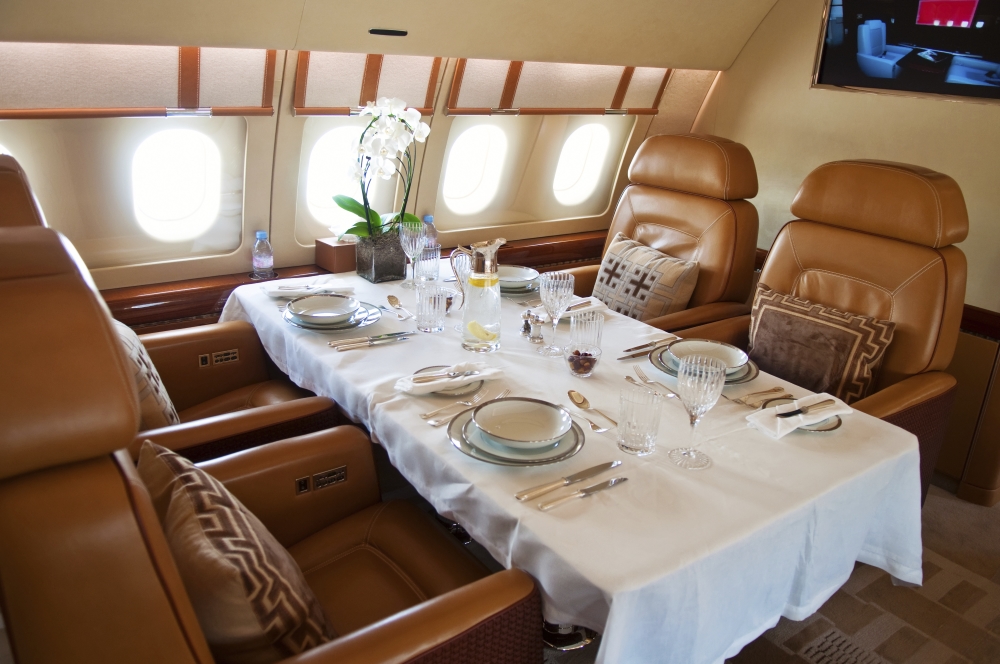
In private aviation, catering refers to all in-flight food and beverage service arranged through the operator or fixed-base operator (FBO). This typically ranges from snacks and light refreshments to full plated meals depending on aircraft size and flight length. Ground transport includes any pre-arranged car service to and from the aircraft, most often a sedan or SUV organized through the operator or concierge team.
Standard inclusions generally cover bottled water, light snacks, and basic catering for short flights. Some jet card programs also coordinate car service on arrival, particularly for high-tier members or larger aircraft. Premium requests such as spirits or wine, gourmet meals, or multi-stop transport are usually billed separately.
What services are typically included vs billed separately
Not all jet card programs define inclusions the same way. The most transparent providers outline clear categories of included versus optional services. The following table summarizes common structures in the industry.
For jet card buyers, the key is whether coordination fees or supplier markups are disclosed in advance. Some programs include basic catering and logistics coordination in their hourly rate, while others treat them as separate line items. Comparing inclusions side-by-side helps identify programs offering better total value rather than focusing solely on hourly price.
How FBOs affect catering quality, pricing, and logistics
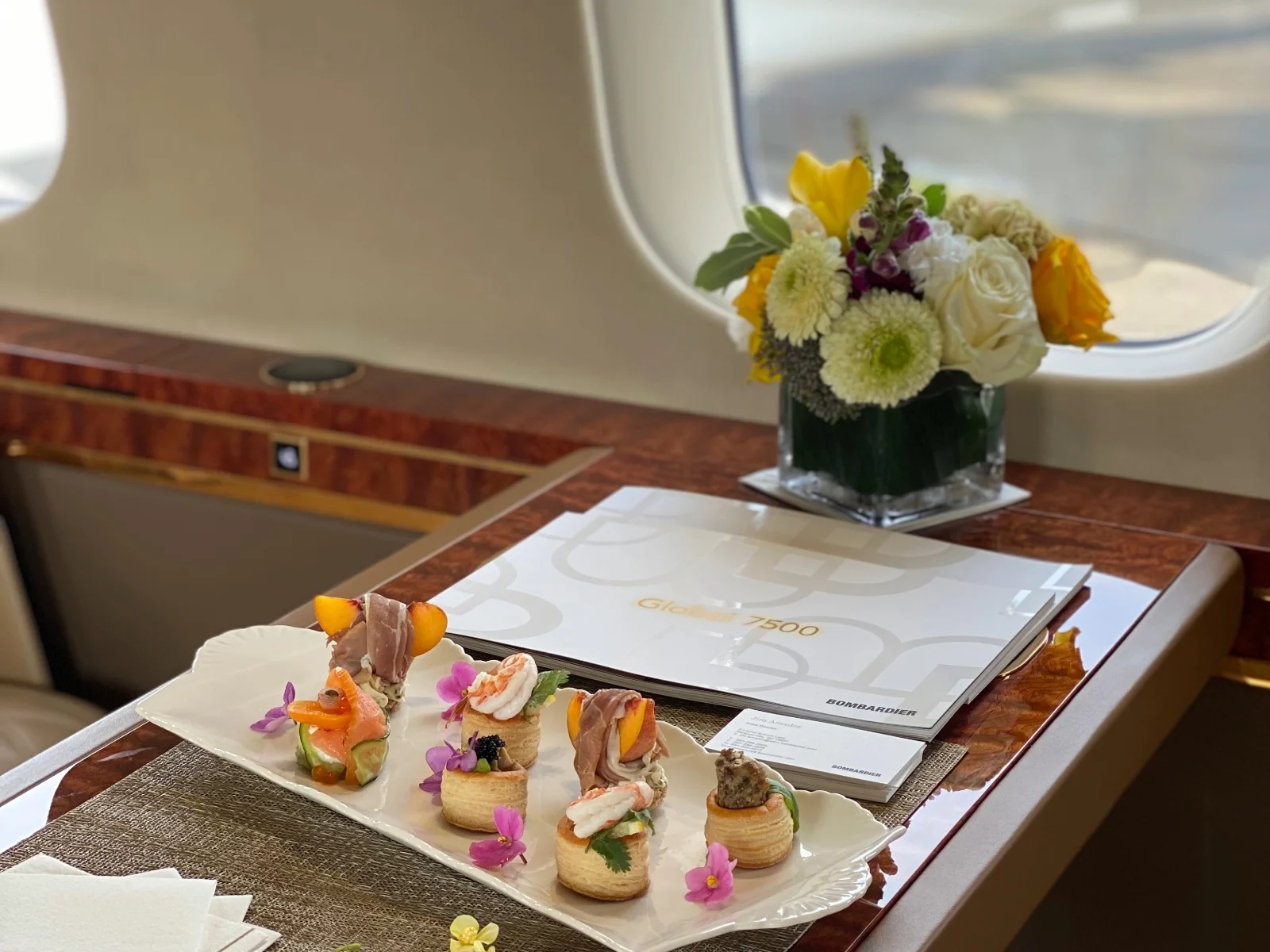
FBOs (fixed-base operators) play a central role in private jet catering and ground transport. Each FBO has its own network of preferred caterers and car service partners. As a result, the same order can vary in both cost and quality depending on the airport.
At larger airports, FBOs often work with full-service aviation caterers offering extensive menus, temperature-controlled storage, and last-minute fulfillment. Smaller regional FBOs may rely on nearby restaurants or limited partners. This difference influences both the freshness and cost of your catering experience. Coordination fees, packaging, and handling charges can also appear as separate line items on your invoice. Typical coordination or delivery fees range between $50 and $200 depending on the FBO and location.
Where variable or unexpected costs often appear

While most programs offer clear baseline pricing, variable costs can still arise. Common examples include:
- Short-notice catering: Orders placed less than 12 hours before departure may incur rush or delivery fees. [VERIFY]
- Special meals or dietary requests: Kosher, vegan, or custom menus often come from specialized caterers.
- Alcohol selections: Spirits and wines are usually billed at retail or slightly above retail rates. [VERIFY]
- After-hours or off-airport ground transfers: Late-night or multi-stop trips typically add incremental car service charges.
These variables do not necessarily indicate hidden fees. They reflect the operational realities of private travel. However, buyers should confirm whether their jet card provider applies a service margin or passes third-party costs directly.
How leading jet card programs disclose inclusions upfront
Transparency has become a key differentiator among jet card providers. The most buyer-friendly programs publish detailed inclusion lists that specify what services are standard and which incur surcharges. This clarity reduces post-flight billing disputes and helps customers compare programs accurately.
The Azurite Jet Card is an example of a transparent model where inclusions, surcharge structures, and partner service expectations are clearly outlined before purchase. Clear disclosure allows clients to anticipate when catering or transport costs may vary and plan accordingly.
Buyers should always request a schedule of fees during the evaluation stage. This document should detail both flight-hour inclusions and third-party service pricing. Programs that provide this proactively demonstrate stronger operational discipline and customer alignment.
Key takeaways for evaluating catering and transport costs

Evaluating catering and ground transport policies can reveal how well a jet card provider understands the total customer experience. Programs that integrate clear inclusions, proactive coordination, and transparent billing generally deliver smoother travel and better value. Those that rely on after-flight adjustments or opaque handling charges can add uncertainty to overall cost predictability.
When comparing options, focus on total trip value rather than the hourly rate alone. Transparency, reliability, and inclusion structure should weigh heavily in your decision.
What type of catering is usually included in a jet card program?
Most jet card programs include light snacks, bottled water, and basic sandwiches for short flights. Longer flights or larger aircraft may include more substantial catering, such as fruit platters or cold entrees. Hot meals, premium wines, and special requests are usually considered optional and billed separately depending on the operator’s policy.
Are alcohol and special meals charged separately?
Yes. Alcoholic beverages and specialty catering such as vegan, kosher, or branded meals are usually billed as add-ons. These items come through aviation catering partners and may include coordination or delivery fees. Some programs offer package upgrades to include select beverages for frequent travelers seeking convenience.
Does my jet card cover car service to or from the airport?
Most jet cards include assistance in coordinating car service but not the cost of the vehicle itself. Some premium programs may include limited transfers on specific routes or membership tiers. Buyers should confirm if coordination fees or minimum-hour requirements apply for included transfers.
Why do catering and ground transport costs vary by FBO?
Costs vary because each FBO uses different vendors and logistics systems. Major airports often have multiple caterers competing on quality and speed, while smaller FBOs rely on local restaurants or single suppliers. Handling, packaging, and rush delivery fees can differ widely depending on the airport’s resources and service partners.
How can I compare included services between jet card programs?
Request each provider’s service inclusion list or schedule of fees. Review whether light catering, car coordination, and alcohol are included or billed separately. Comparing these inclusions alongside hourly rates reveals which program offers better total trip value and fewer post-flight surprises.
Key Takeaways
- Catering and ground transport inclusions differ widely by provider.
- FBO choice directly affects catering quality and cost.
- Transparent programs like the Azurite Jet Card make cost comparisons easier.
- Buyers should request full inclusion matrices before committing.
- Understanding these details prevents unplanned add-ons and improves flight experience.
Download Our
Instant Booking App