Turboprop
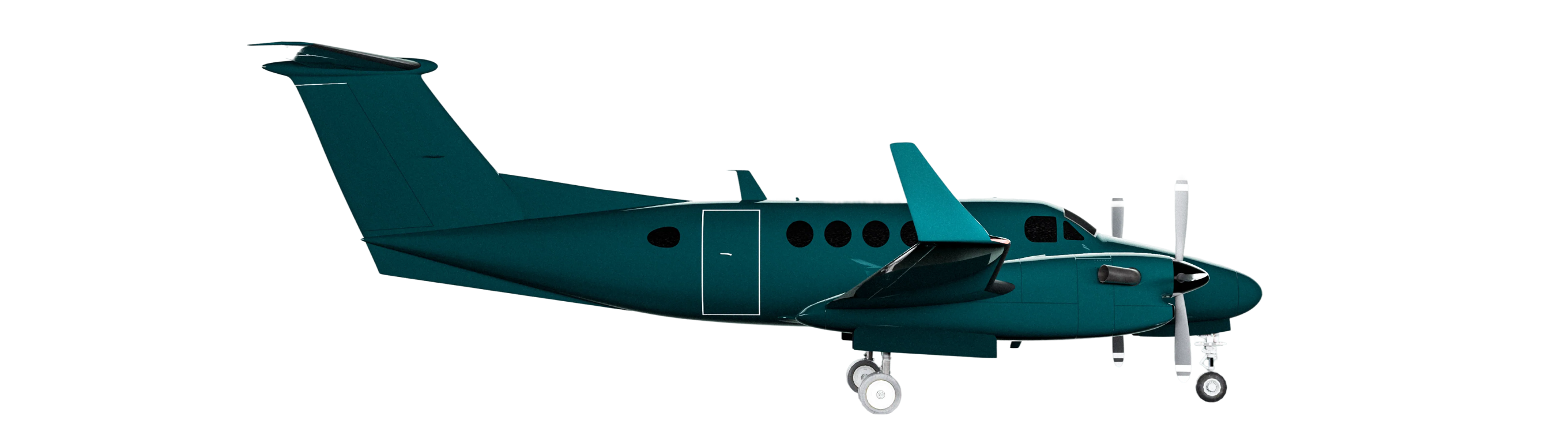

The Right Aircraft for the FBOs Jets Cannot Reach
Turboprops are purpose-built for access. They operate on shorter runways, land at smaller regional airports, and reach destinations that sit entirely outside the range of the standard jet network. Speed and range are more limited than jet categories. Access is not.
For island transfers, ranch airstrips, mountainous terrain, and regional hops where getting there is the logistical challenge, a turboprop is the correct tool. It is also frequently the most cost-efficient choice for groups of up to nine on routes under 500 miles.
Every turboprop in the Elevate network is reviewed under the Elevate Assurance Pledge before any booking is confirmed. Safety compliance, crew qualifications, maintenance records, and aircraft airworthiness are verified on every departure.
Aircraft Types
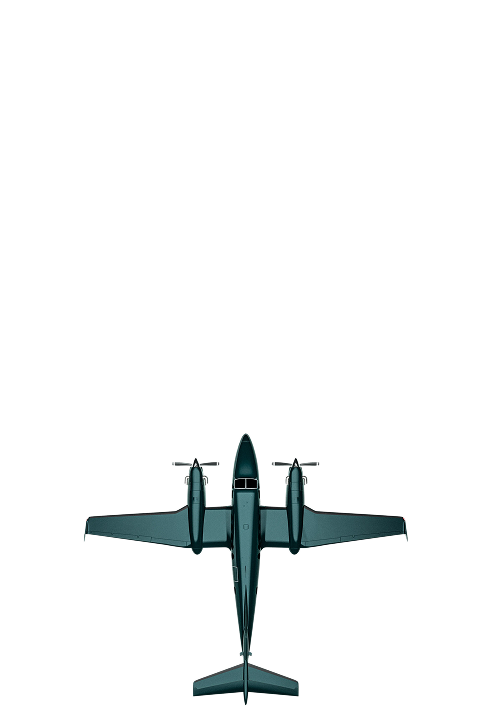
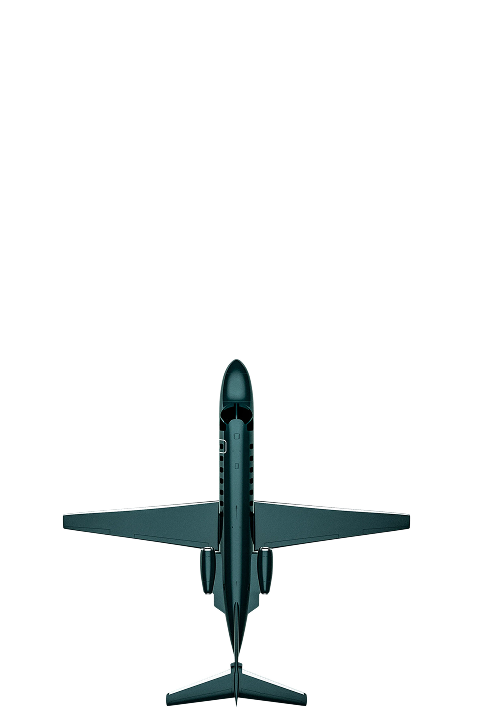
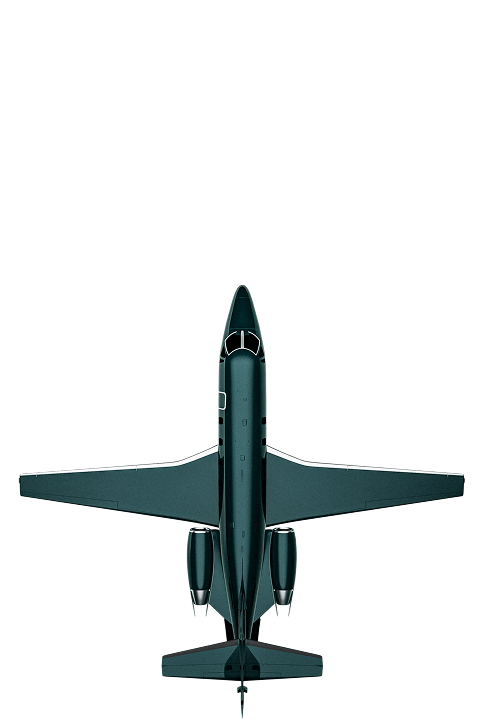
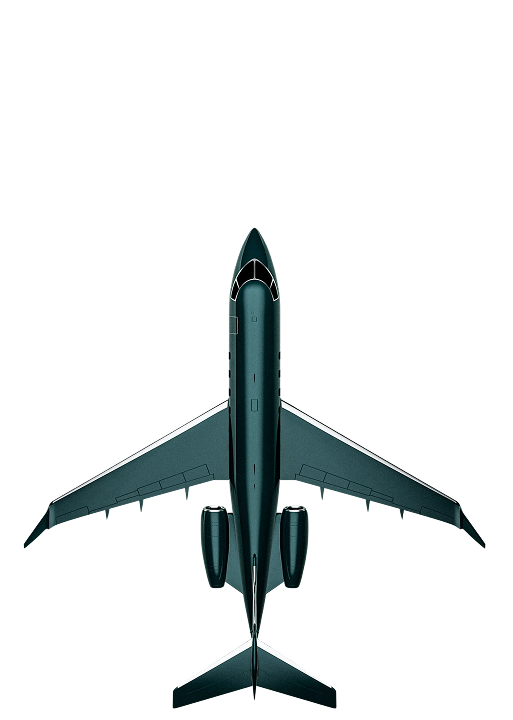
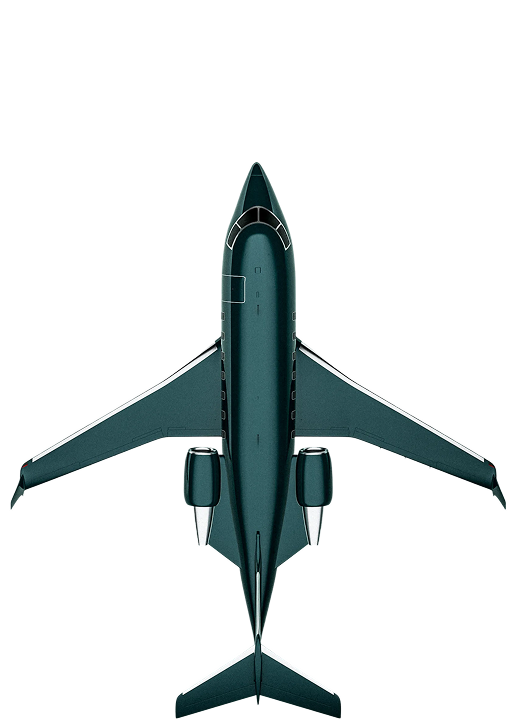
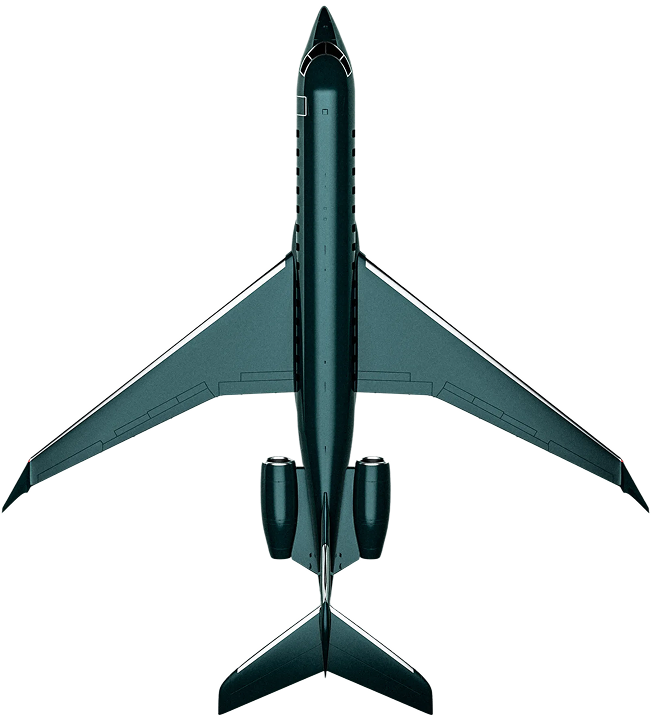
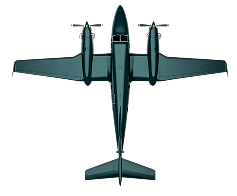
Turboprop
Specifications at a Glance
Up to 7 passengers | Up to 2.5 hours
800 — 1,800 NM
270 — 330 mph
Single-aisle, pressurized on most aircraft
Short-field and unpaved airstrip capable on select models
Aircrafts in This Category
- King Air 90
- King Air 100
- King Air 200
- King Air 300
- King Air 350
- King Air 360
- Pilatus PC12
- Cessna Caravan
- Cessna Grand Garavan
- TMB 850
- TMB 900
- TMB 960
Best For
East Coast corridors and regional domestic routes. Groups of two to four. Business travel where speed and cost efficiency matter more than cabin space. Popular routes in this category include New York to Miami, Dallas to Denver, Los Angeles to San Francisco, and Chicago to Atlanta.

Popular Routes
| Routes | Flight Time | Passengers | Typical Aircraft |
|---|---|---|---|
| Miami, FL (KMIA) to Nassau, Bahamas (MYNN) | ~45 min | Up to 9 | King Air 350 |
| Dallas, TX (KDAL) to Aspen, CO (KASE) | ~2 hrs | Up to 8 | Pilatus PC-12 |
| Bozeman, MT (KBZN) to Glacier NP (KGPI) | ~30 min | Up to 6 | King Air 200 |
| Fort Lauderdale (KFLL) to Key West, FL (KEYW) | ~30 min | Up to 9 | Cessna Grand Caravan |
| Los Angeles (KLAX) to Catalina Island (KAVX) | ~20 min | Up to 9 | Cessna Caravan |
| Seattle, WA (KSEA) to Friday Harbor, WA (KFHR) | ~35 min | Up to 6 | King Air 90 |


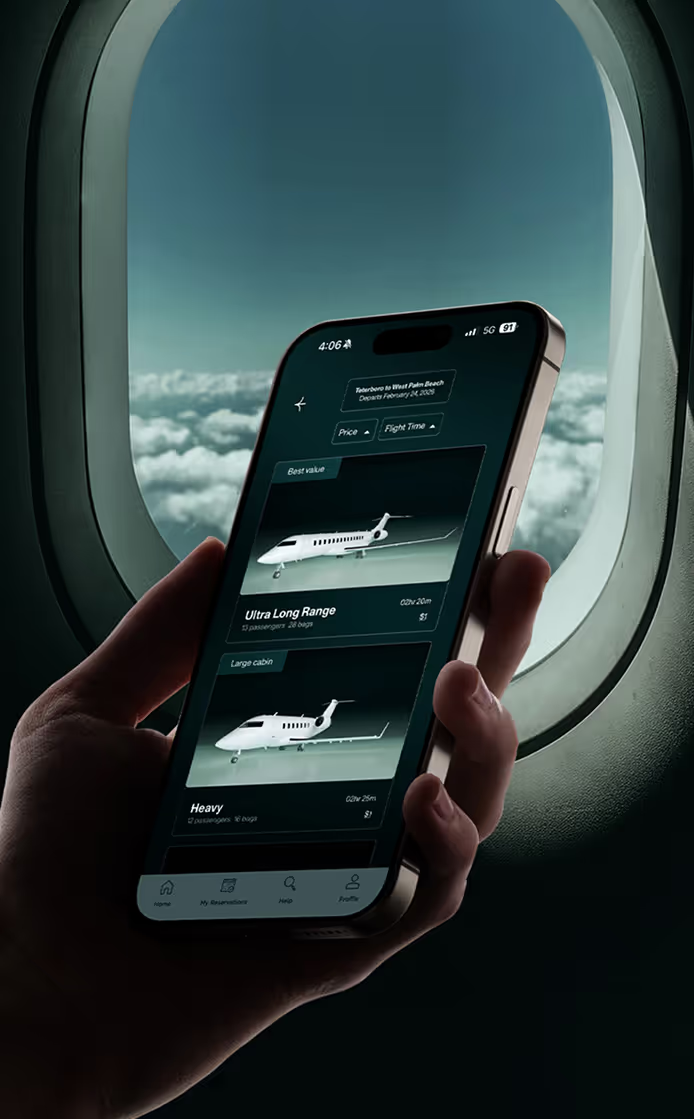
Search, compare prices, and book your light jet instantly. Our Aviation Client Advisors are available via text, email or phone every step of the way.
Frequently Asked Questions
A turboprop is a fixed-wing aircraft powered by a turbine engine connected to a propeller. It is distinct from a jet in that thrust is generated primarily through the propeller rather than jet exhaust. Turboprops are pressurized, efficient at lower altitudes, and designed to operate on shorter and more varied runway surfaces than jet aircraft.
Most turboprops in the Elevate fleet have a range of 800 to 1,800 nautical miles depending on the aircraft and payload. The King Air 350 and Pilatus PC-12 sit at the upper end of this range. For reference, this covers routes like Miami to the Bahamas, Dallas to Denver, or New York to Chicago comfortably.
Turboprops in this category seat up to nine passengers. Configuration varies by aircraft and operator. The Pilatus PC-12 and King Air 350 are among the most spacious in the category.
Turboprops can operate on runways as short as 2,000 to 3,000 feet, compared to 4,000 to 5,000 feet typically required by light jets. This opens access to island airfields, and mountain airports where jet service is simply not available. In the US, this includes destinations across Montana, Idaho, Wyoming, the Carolinas barrier islands, and the Florida Keys.
Yes. Turboprop engines are among the most reliable powerplants in aviation, with a long safety record across commercial and private operations. Every turboprop accessed through Elevate Jet is verified under the Elevate Assurance Pledge, which reviews safety compliance, crew qualifications, insurance, maintenance records, and aircraft airworthiness before a booking is confirmed.
Most modern turboprops, including the King Air series and Pilatus PC-12, are fully pressurized and fly at cruising altitudes between 25,000 and 30,000 feet. Some smaller or older piston aircraft are not pressurized, but Elevate's turboprop fleet consists of pressurized aircraft.
Turboprops are generally less expensive to charter than light jets on a per-hour basis, though the total cost of a trip depends on route, positioning, and aircraft availability. Ruby returns a locked price for your specific route instantly, so you can compare categories before booking.
Yes. Turboprops are available across all six aircraft categories in the Elevate Jet app. Enter your route, date, and passenger count. Ruby returns a locked price for turboprop availability on your specific flight. No calls required.